
Shop by craft
Banarasi sarees
12 pieces · from ₹4,999
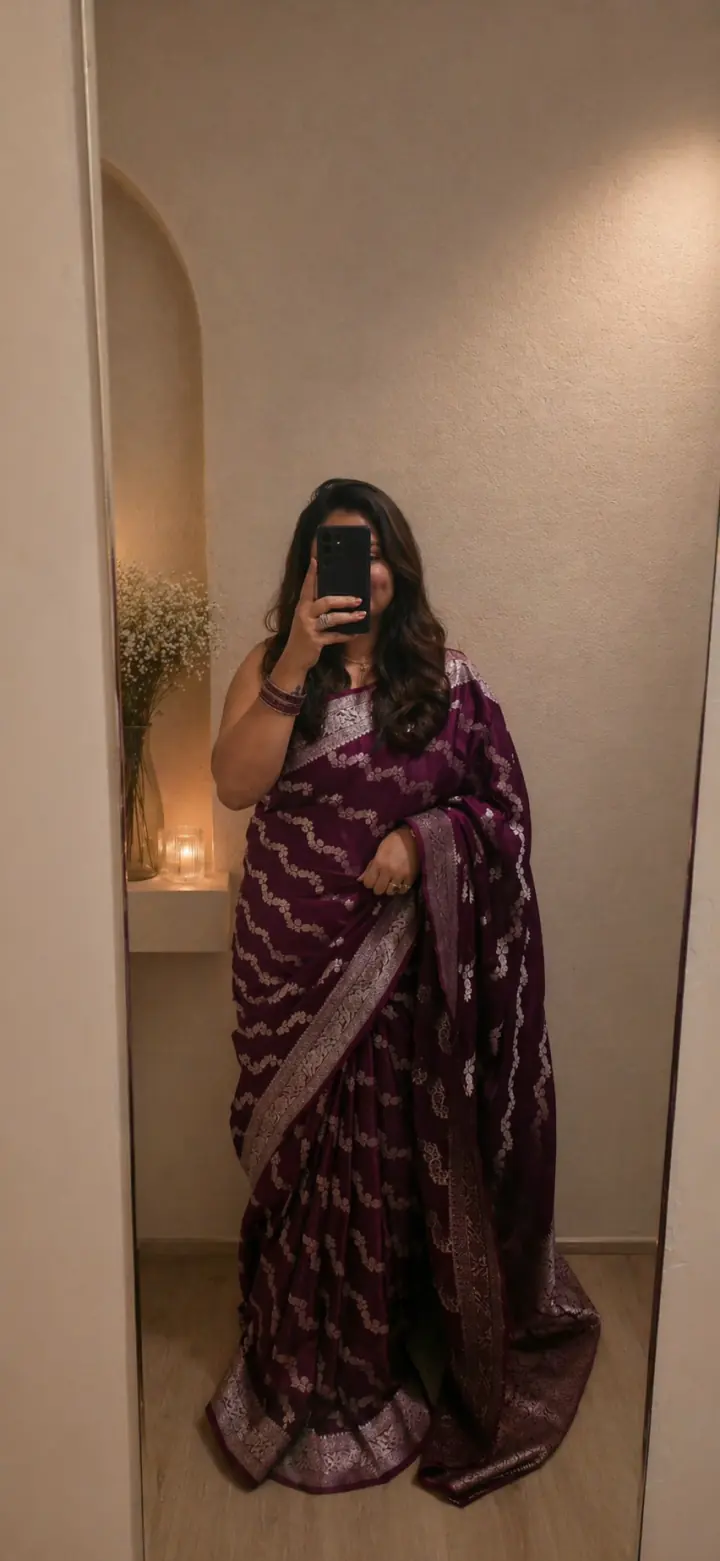
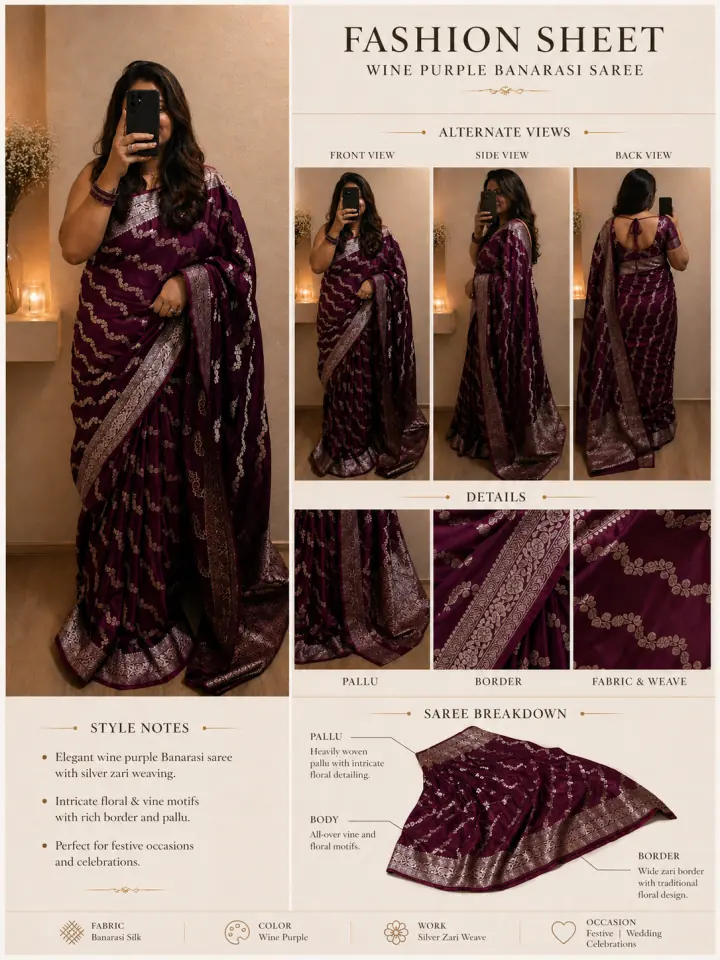
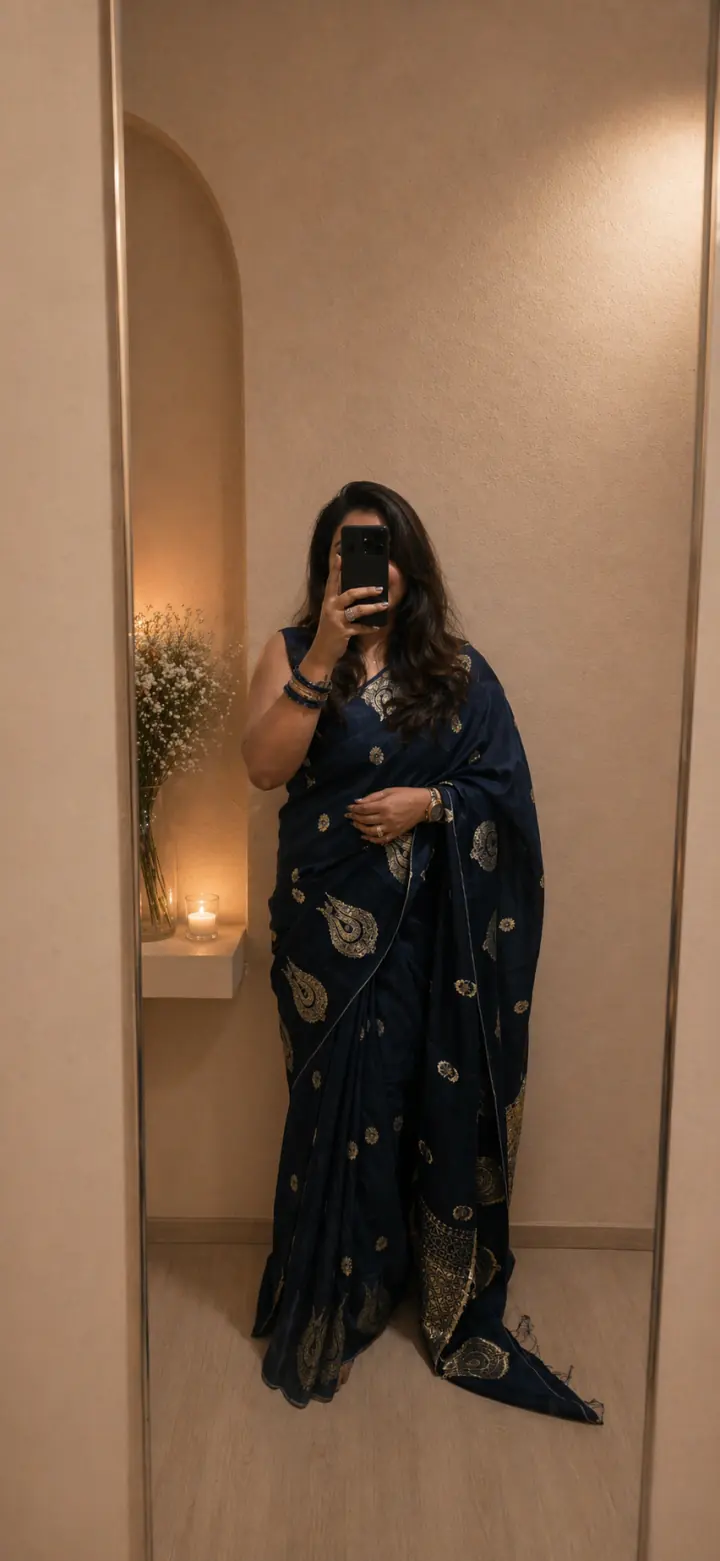
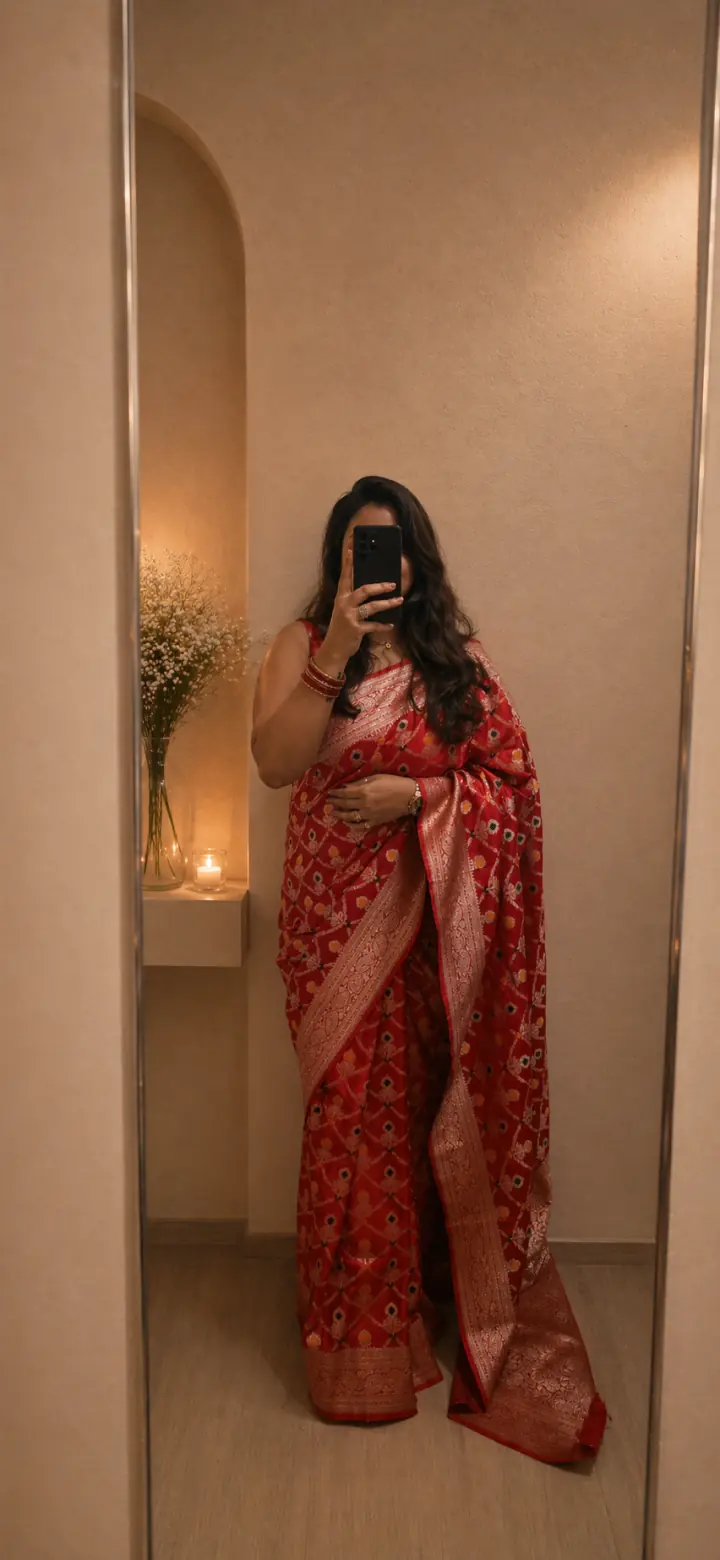
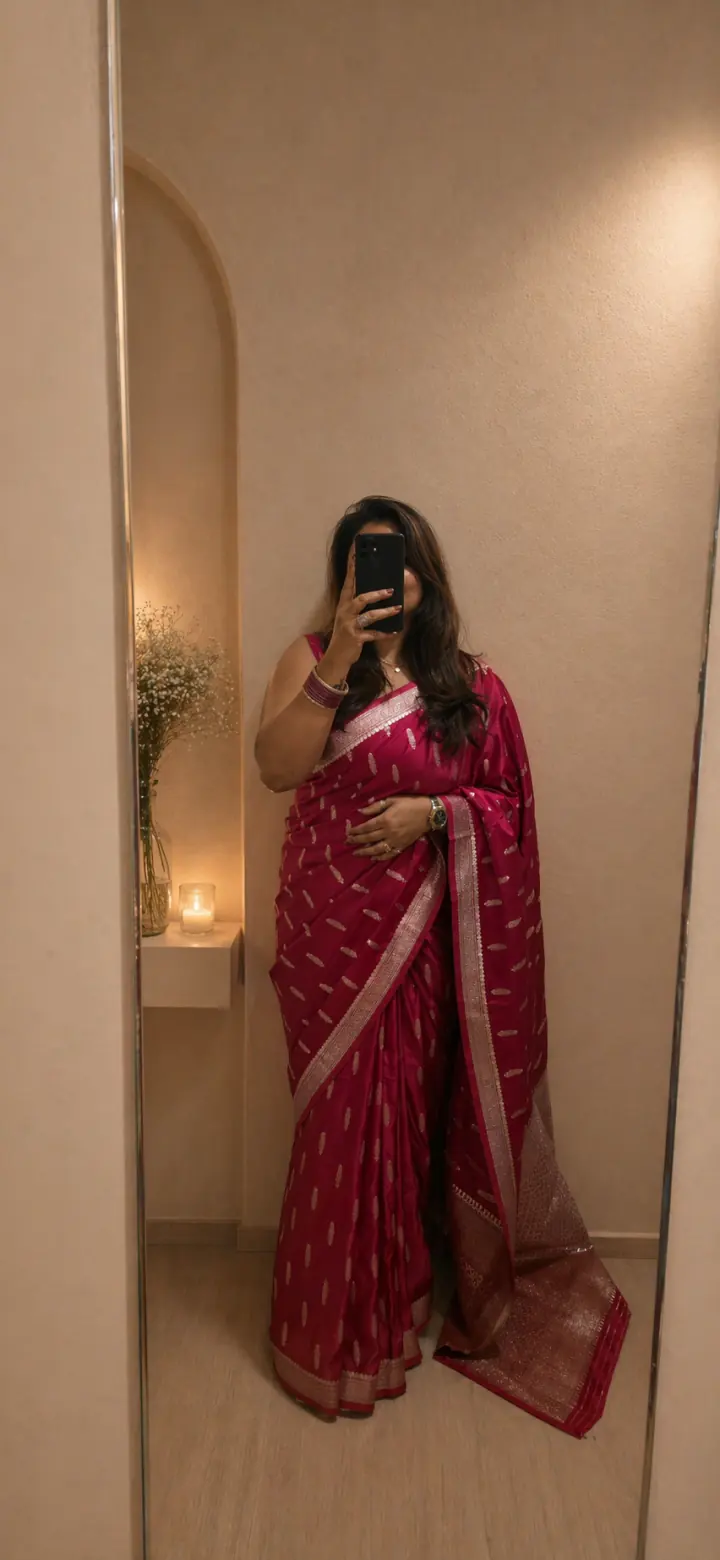
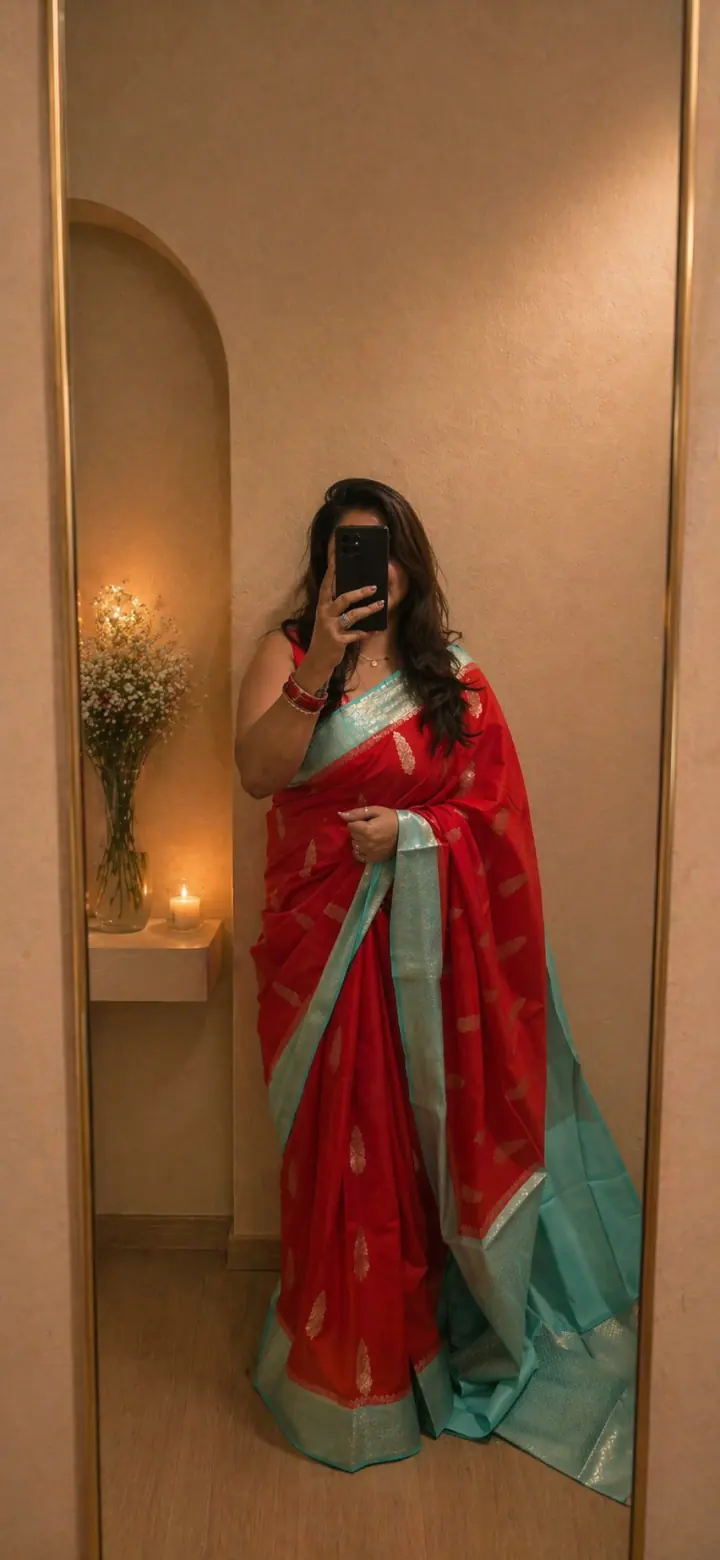
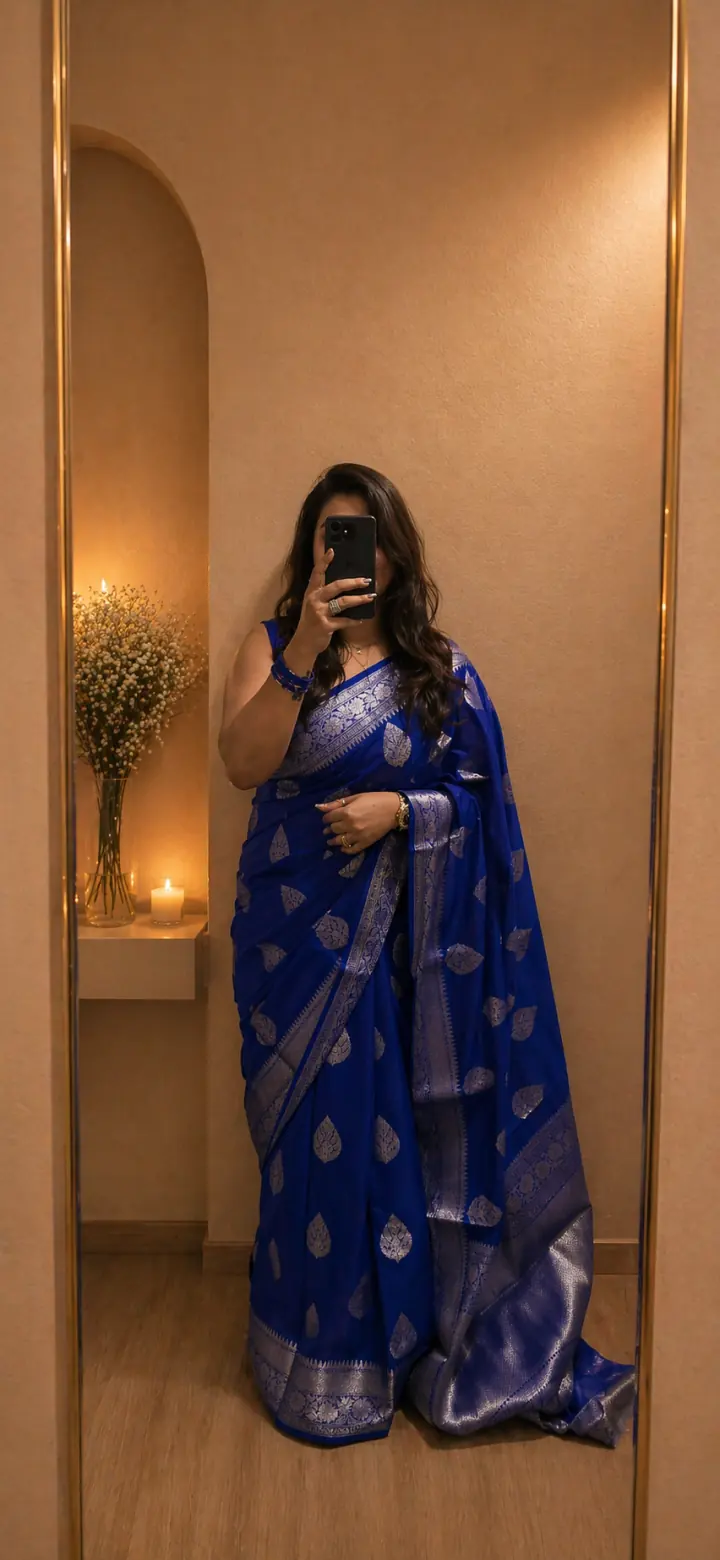
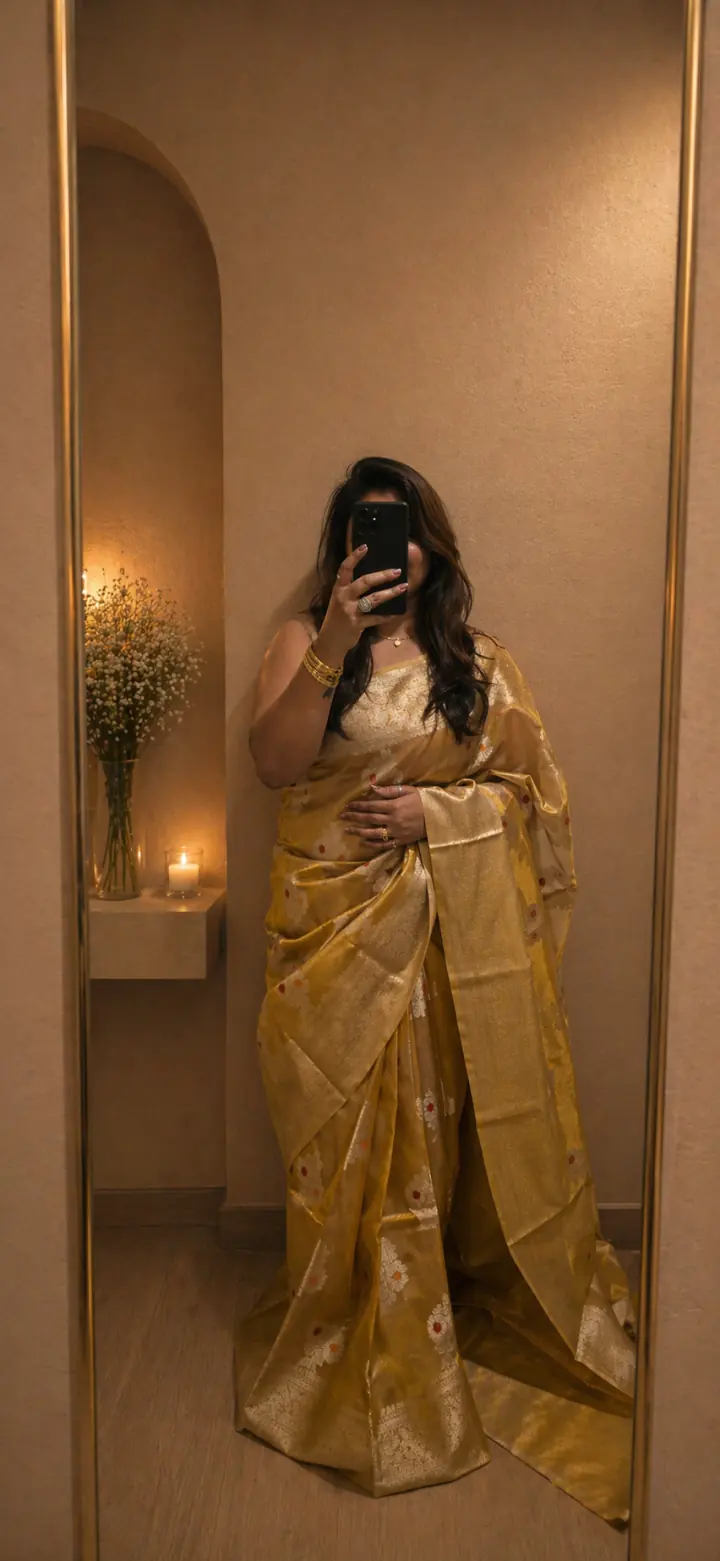
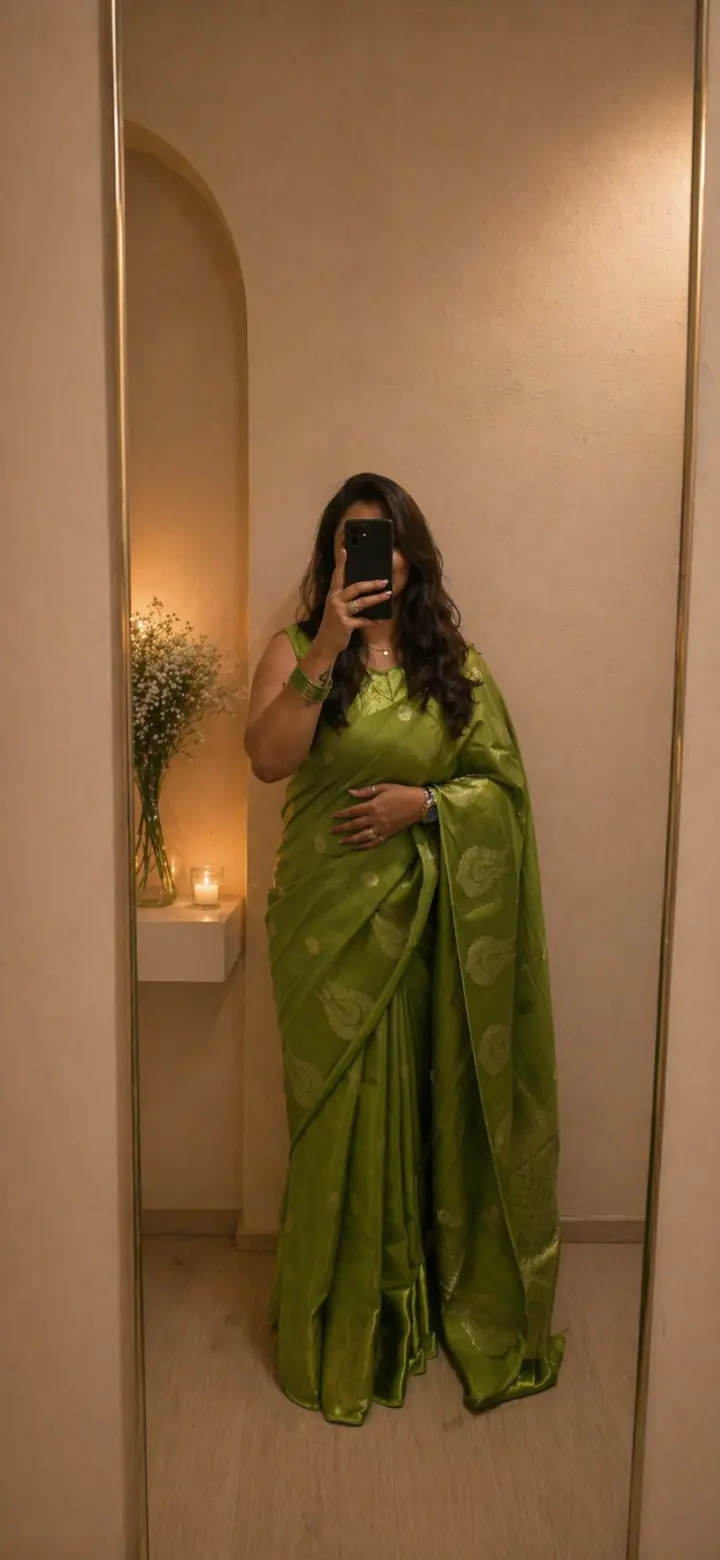
Banarasi sarees are woven in Varanasi, where brocade weaving with zari, or metallic thread, has been practised for generations. The name covers several weaves, and here are the ones we carry. Tissue is sheer and shimmering because metallic thread runs through the cloth. Tanchui is a dense, satin-faced weave with small raised motifs. Mashru has a smooth face and a firm, sturdy body. Viscose Banarasi brings the zari look at a gentler price.
We hand-pick our Banarasi from weavers in Varanasi and keep each design to a few pieces. The fibre in each saree differs by weave, so we state the fabric on every product page. We do not describe a piece as pure silk or pure zari unless the page says so. Because a Banarasi is often kept for years and worn again, we would rather you choose slowly. Look at the pallu, the weave and the colour, and buy the one you can picture at several occasions.
Choose a weave below, or scroll the whole edit and see which one catches your eye.
The Banarasi edit
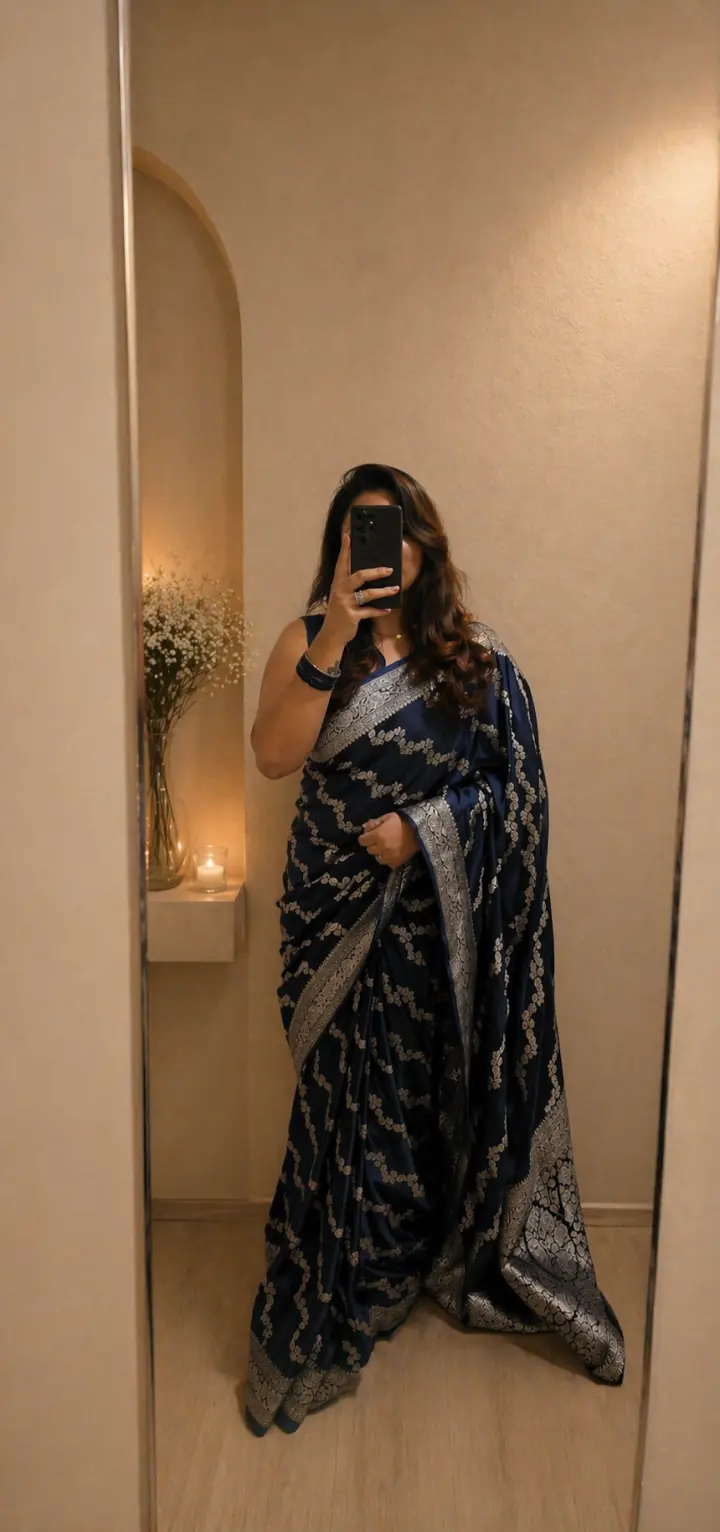
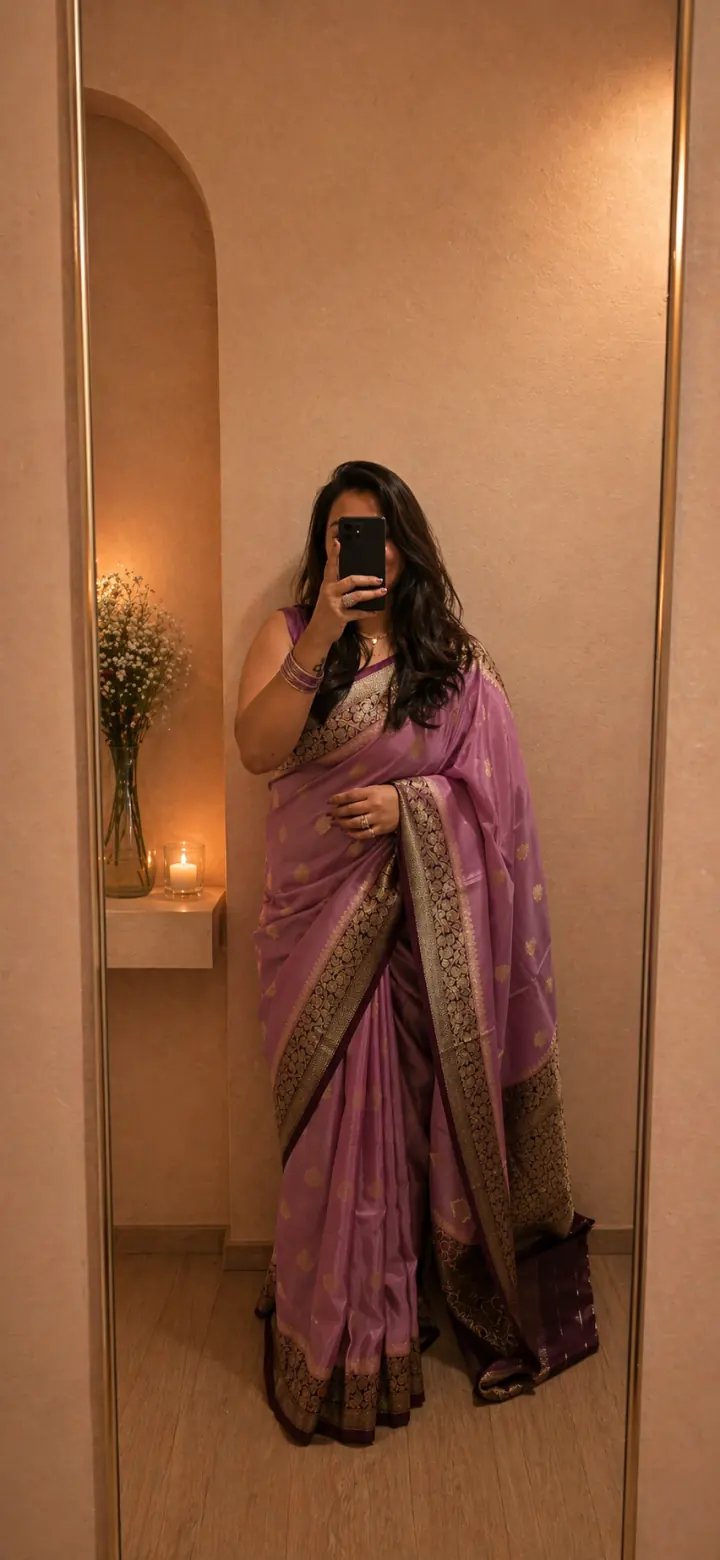
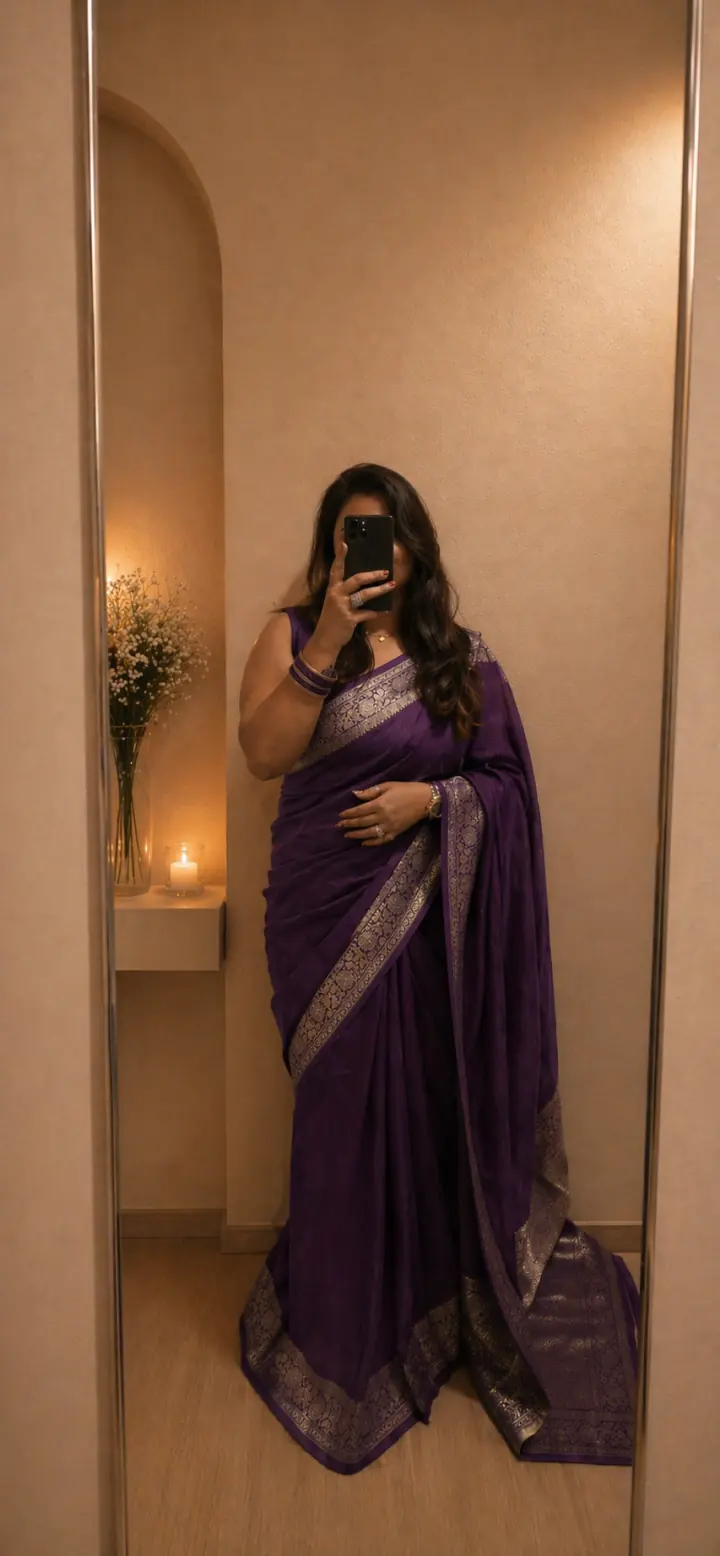
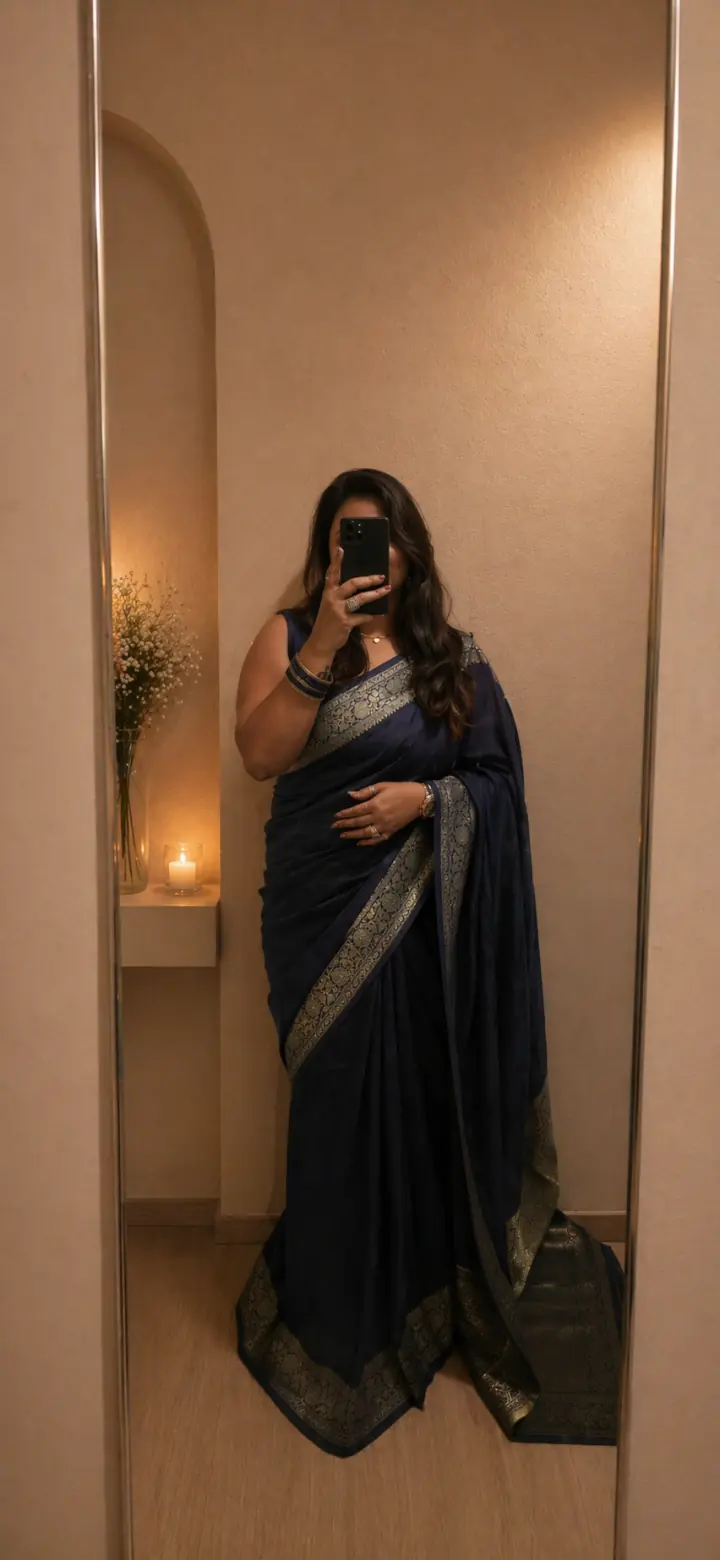
How to choose a Banarasi saree
Pick the weave first
Tissue has the lightest, most reflective look and suits an evening ceremony. Tanchui is smoother and richer, with a quiet sheen across the body. Mashru feels firmer and holds its shape, which many people like for pleating. Viscose Banarasi is the easiest to wear often and sits well with a modest budget.
Weigh the pallu
On a Banarasi the pallu does the talking. Open the product photos to see how heavy the pallu looks and how much of the weave is plain. A fuller pallu suits a formal evening. A lighter one is easier at a daytime puja or a family lunch.
Match the colour to the setting
Jewel tones, deep blues, wines and greens work across seasons. Brighter shades such as yellow or orange make a statement at a festival. If you plan to wear the saree many times, a deeper shade hides wear and is easier to style.
Store it well
Fold a Banarasi in a cotton or muslin cover and refold it along a different line every few months, so the zari does not crease and break along one fold. Keep it away from perfume and damp. Dry clean only.
Ask before you buy
If a detail matters to you, such as the weight of the pallu or the fibre content, write to us before you order. We are glad to share what we know about the piece.
Questions about Banarasi sarees
What is the difference between tissue, tanchui and mashru?
Tissue weaves metallic thread through the cloth for a sheer shimmer. Tanchui is a dense weave with a satin face and small raised motifs. Mashru has a smooth face and a firmer body. All three are woven with the Banarasi technique in Varanasi.
How do I know what my Banarasi saree is made of?
The fabric is named on every product page, for example viscose Banarasi, mashru Banarasi or tissue Banarasi. If you want more detail on the fibre or the zari, write to us before you order.
Can I wear a Banarasi saree to a wedding?
Yes. Banarasi is a classic wedding-guest choice. See our wedding guest edit for how to pick one that stays elegant without competing with the couple.
How should I care for a Banarasi saree?
Dry clean only, store it folded in a cotton cover, and refold it along new lines from time to time. Avoid spraying perfume directly on the zari.