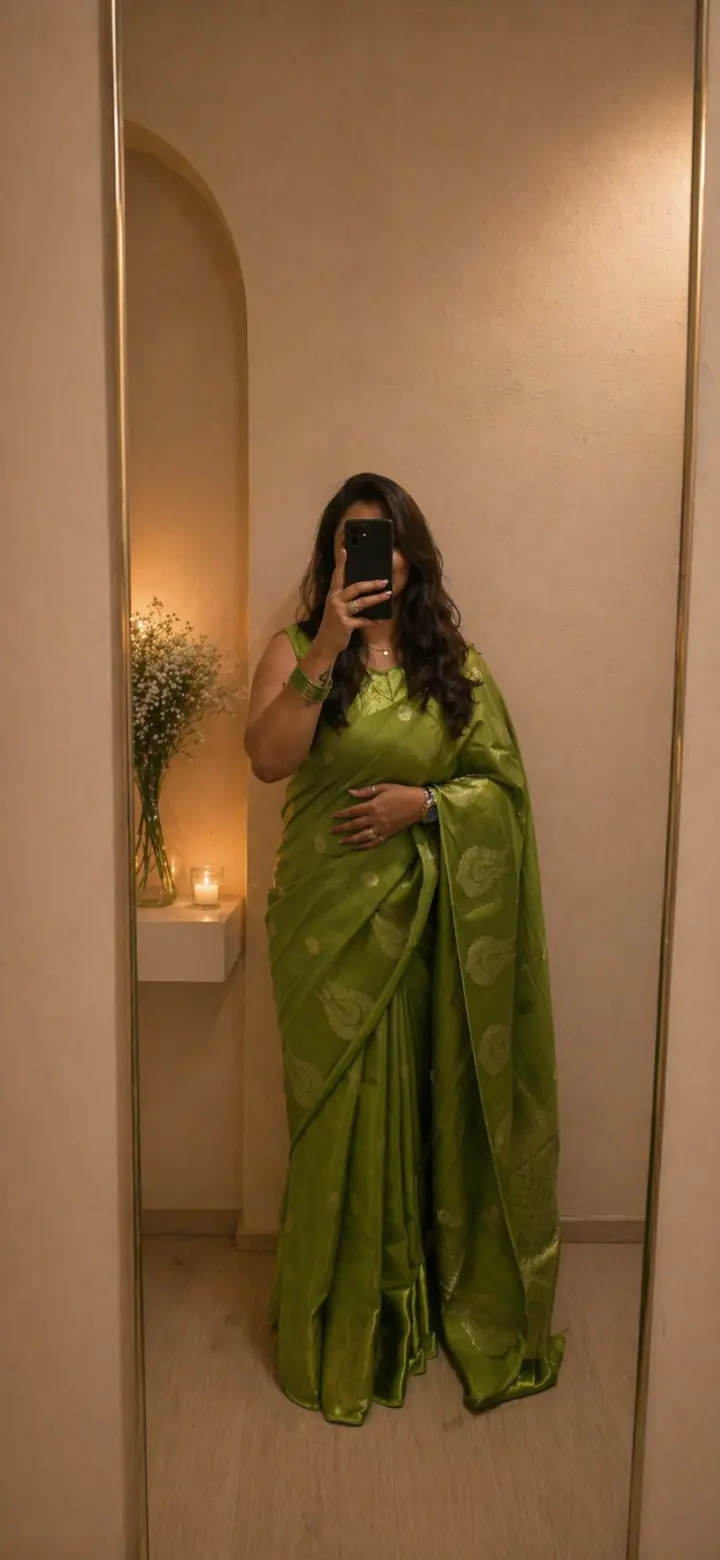
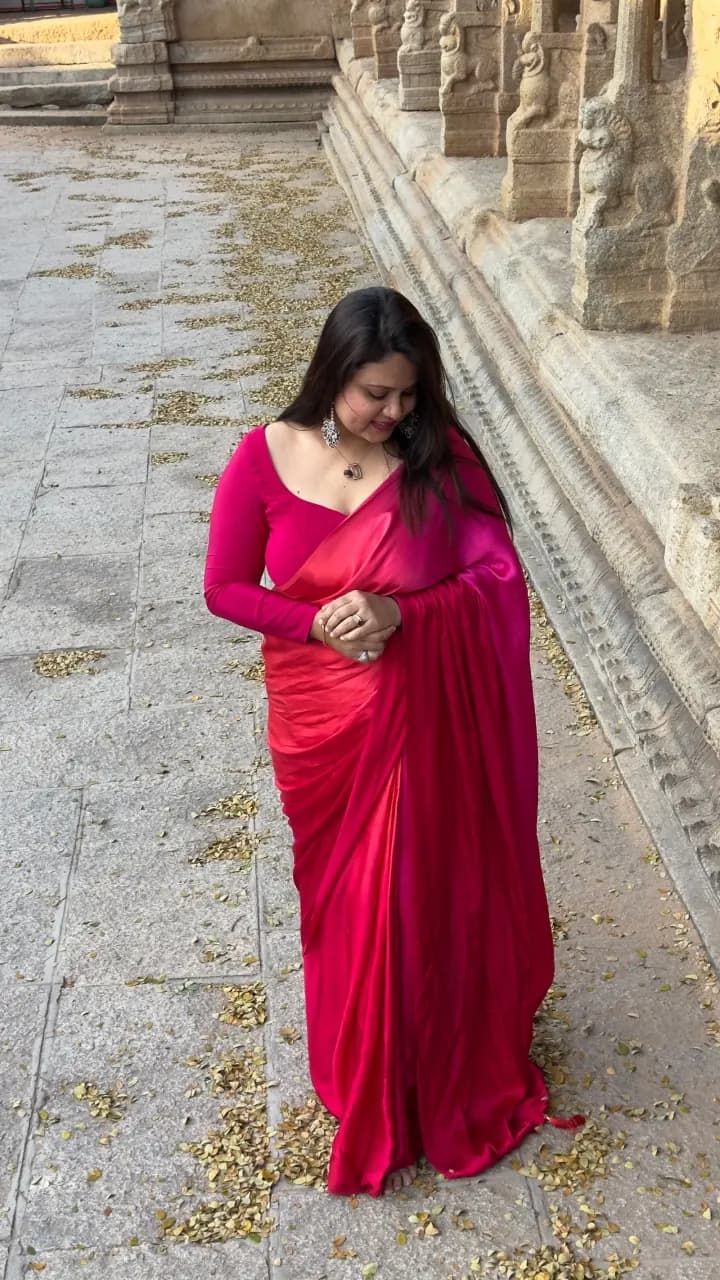
Pure silk is a natural protein filament spun by silkworms, while modal is a man-made fibre regenerated from beech-wood cellulose. Modal silk usually means a modal-based cloth finished to look and fall like silk, sometimes blended with real silk. Silk is warmer and more delicate; modal is softer, easier to live with and kinder to a budget.
What is pure silk?
Pure silk comes from the cocoon of a silkworm. The larva spins a continuous protein filament, and reelers unwind it, twist several strands together and weave the yarn. The best-known type in India is mulberry silk, but tussar, eri and muga are all silks too, each with its own colour and texture. Because the filament is natural and continuous, silk has a subtle, glowing lustre that changes as light moves across it, and it holds dye in deep, saturated tones.
Traditional silk production usually ends the life of the pupa inside the cocoon. Some makers offer peace silk or ahimsa silk, where the moth is allowed to emerge first. If that matters to you, ask the seller; it is rarely stated by default.
What is modal?
Modal is a regenerated cellulose fibre. Beech wood is purified into pulp, dissolved with chemicals, pushed through tiny holes into a bath where it solidifies into filaments, then stretched, washed and cut. The result is a fibre with a smooth surface, a fine texture and good strength even when wet. It was first developed in Japan in the mid-twentieth century, partly as a way to get a silk-like feel from wood pulp, and it is now made by several producers around the world.
Chemically, modal is closer to cotton and viscose than to silk. It is made of cellulose, the same polymer that gives cotton its structure, not the protein that makes silk. It is sometimes marketed as sustainable because beech is a renewable source, but the process itself is chemical, and the credentials differ from one producer to another. Treat sustainability claims as something to verify, not to assume.
So what is "modal silk"?
This is where the confusion starts. "Modal silk" is a trade name, not a fibre standard. In the saree market it is used in a few different ways:
- a modal-based fabric with a silky finish and no real silk in it;
- a blend of modal and silk yarns;
- a cloth woven with modal for the body and silk or silk-like thread for the border or pallu.
If a label simply says modal, there is no silk in it. If the product page says modal silk, check the fibre content line or ask for it in writing. A trustworthy seller will tell you plainly whether silk is present and in what proportion. It is a fair question, and the answer shouldn't change the sale; it should only change the price you expect to pay.
How do they feel and drape?
Silk has body and a faint crispness. It holds pleats with authority, rustles quietly, and its sheen shifts from pearly to deep as you move. A heavier silk can feel formal and slightly stiff at first, then relax with wear.
Modal is softer and more fluid. It slides over the body, falls in long clean lines, and feels cool and smooth against skin. The sheen is gentler and more uniform than silk's, so it looks polished without the dramatic glow.
If you pleat quickly and want crisp, sculpted folds, silk is easier to control, though modal pleats well with a few extra pins. If you want something that moves and doesn't feel precious, modal wins.
Which is more comfortable?
Both fibres absorb moisture, which is why they feel comfortable in warm weather compared with many synthetics. Modal tends to feel cool and slightly slippery, and many people find it more pleasant in a hot, humid city. Silk is a good insulator in cool weather and surprisingly comfortable in heat when it is light, but it can show perspiration marks and water spots more readily.
For all-day wear, such as a long office day or a travel day, modal is usually the more forgiving choice. For an evening where you will sit still and be photographed, silk's lustre makes a difference.
Which lasts longer?
Silk is a strong fibre for its weight but it does not like abuse. Sunlight, perspiration, perfume, repeated sharp creases and moths can all weaken it. Handled well, a silk saree can last decades and be passed on. Modal holds up well in everyday use and is far less attractive to moths than silk, which is a protein fibre. Its long fibres can pill with friction, and it can lose its surface sheen if scrubbed or ironed too hot.
In short, silk is the better heirloom and modal is the better workhorse.
What about price?
Silk costs more to produce: the cocoons must be cultivated, reeled and woven, and pure silk weaving can be slow. Modal is manufactured at scale, so the base cloth is cheaper. That is why you will see modal silk sarees at friendlier price points than comparable pure silk. At Eeshani, prices across the range run from ₹1,799 to ₹6,299, and you can browse sarees under ₹5,000 if you want a sense of what a modest budget buys.
Price alone won't prove fibre content. Always read the product description.
How should you care for each?
Always follow the care label first, because finish, dye and embellishment matter as much as the fibre.
- Pure silk: dry cleaning is the safest route. Avoid soaking, wringing and direct sun, keep perfume off the fabric, and store it in cotton or muslin, not plastic. Our silk saree care guide walks through washing, ironing and refolding.
- Modal: many modal garments can be washed gently in cool water on a delicate cycle, kept out of the dryer and ironed on a low setting. A printed, zari or embellished saree is another matter, and a care label that says dry clean only should be respected.
- Blends: treat them like the more delicate component. If it contains silk, handle it like silk.
Which should you choose?
Choose pure silk when:
- you want a saree to keep for decades;
- the occasion is formal and you want maximum lustre;
- the weather is mild and you won't be rushing;
- you are comfortable with dry cleaning bills and careful storage.
Choose modal silk when:
- you wear sarees often and need something forgiving;
- you live somewhere warm and humid;
- you want a fluid, easy drape;
- you want good value without a flat, synthetic look.
For work, modal's easy fall and low maintenance suit the day, as our office wear saree guide explains. For weddings and big festivals, a silk or silk-blend with strong craft detail works well, and our festive sarees page collects options.
Where to start at Eeshani
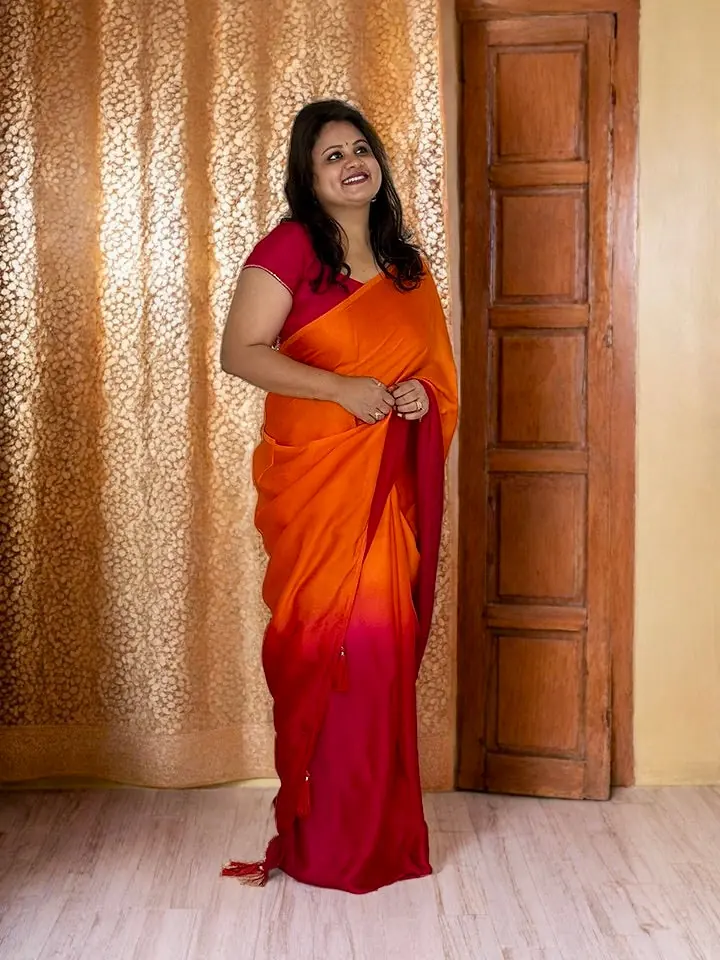
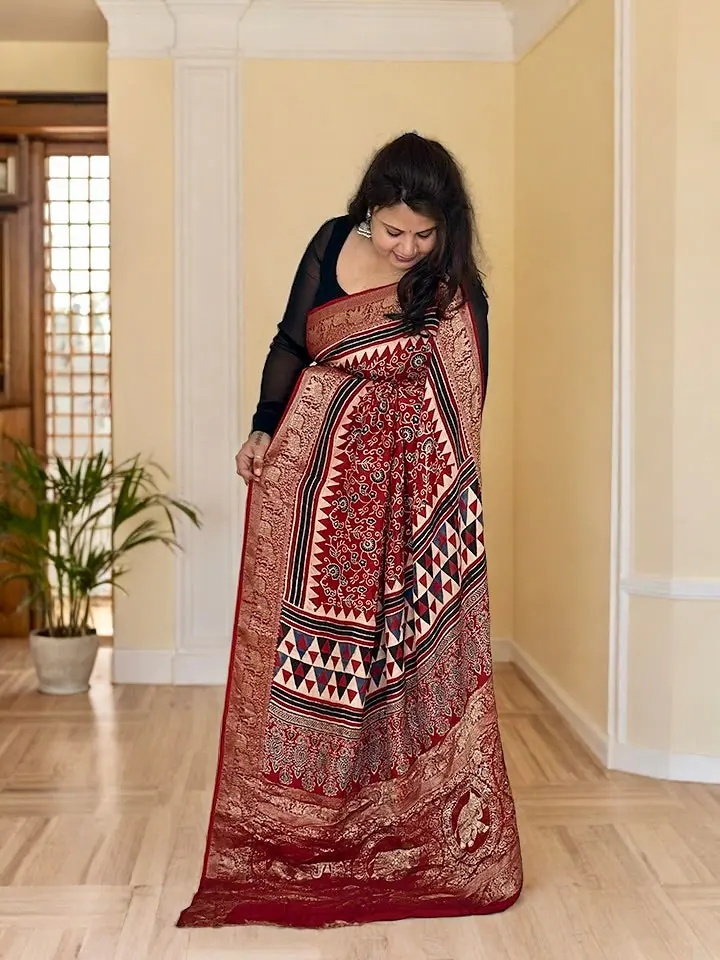
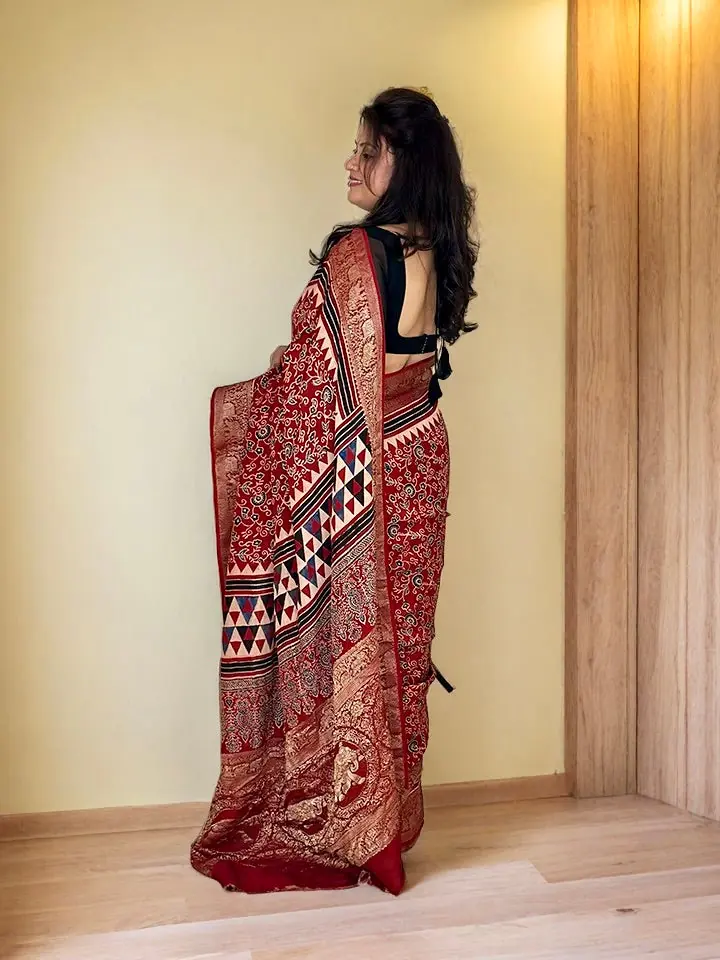
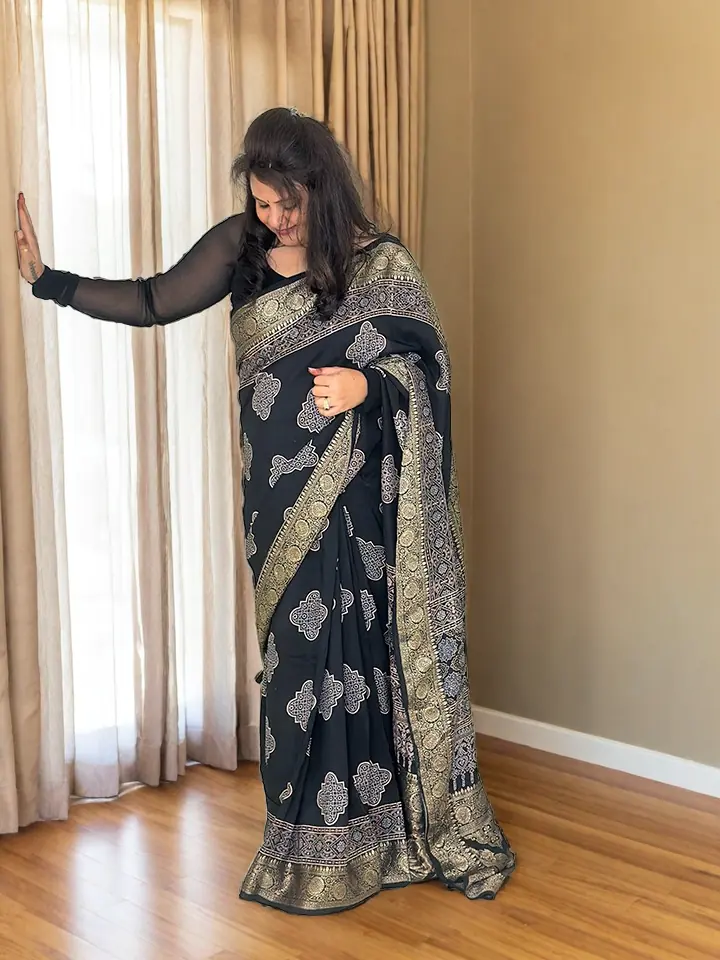
Eeshani is a Bengaluru label, and its founders hand-pick limited pieces from printers and weavers in Kutch and Varanasi. If you are new to modal silk, begin with the Modal Silk collection, where you will find the pure modal silk saree for an unfussy daily drape, the modal silk saree with a Nakshi pallu for a richer evening look, and the modal silk plain ombre saree for a soft shift of colour. If you want to compare against a glossier cloth, look at the dola silk Ajrakh saree in maroon and read our dola silk guide. For everyday dressing, the daily wear sarees edit is a good starting point.
We ship worldwide, and you can return a saree within three days if it isn't right.